
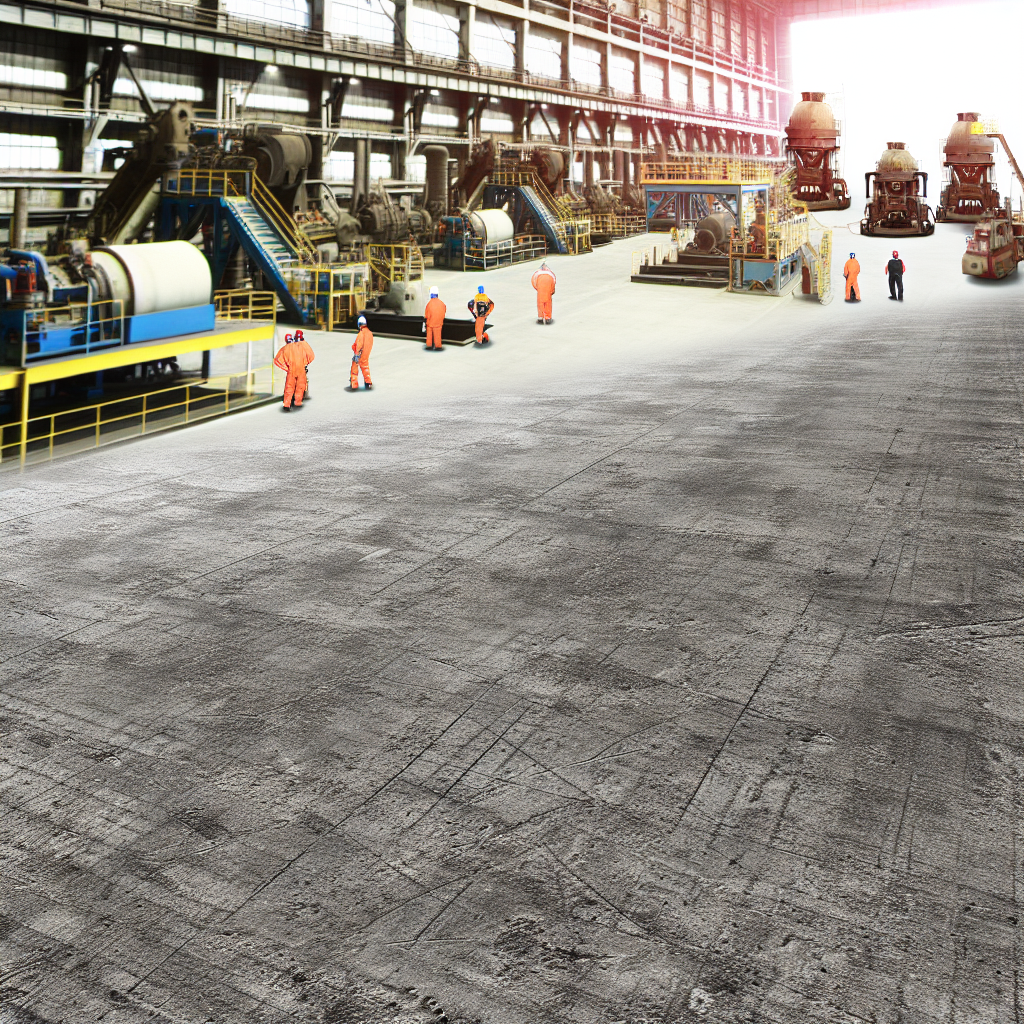
Concrete Flooring for Industrial Applications Concrete floors might look simple at first glance, but in industrial spaces they work as the silent backbone of the entire operation. Every forklift, pallet, machine, and worker depends on the floor to stay strong, safe, and reliable day after day. When you design or upgrade Concrete Flooring for Industrial […]
Category Archives: Concrete

16
Dec
Dec
How to Extend the Life of Your Concrete Surfaces Concrete surfaces are like the bones of your property: they quietly carry the weight of cars, furniture, and foot traffic every single day. When you learn how to extend the life of your concrete surfaces, you protect not only the look of your home or business, […]

15
Dec
Dec
Best Practices for Concrete Joint Placement Concrete slabs may look solid and still, but they behave more like living skin than stone. They expand, shrink, curl, and crack as temperatures and loads change. Best Practices for Concrete Joint Placement help you guide where those cracks appear, turning random damage into planned, controlled lines that protect […]

15
Dec
Dec
The Role of Concrete in Historical Monuments The story of great cities is often told in stone, but just beneath the surface, concrete quietly carries much of the weight. From Roman amphitheaters to 20th‑century memorials, The Role of Concrete in Historical Monuments is far greater than many visitors realize. Understanding how this humble, gray material […]
15
Dec
Dec
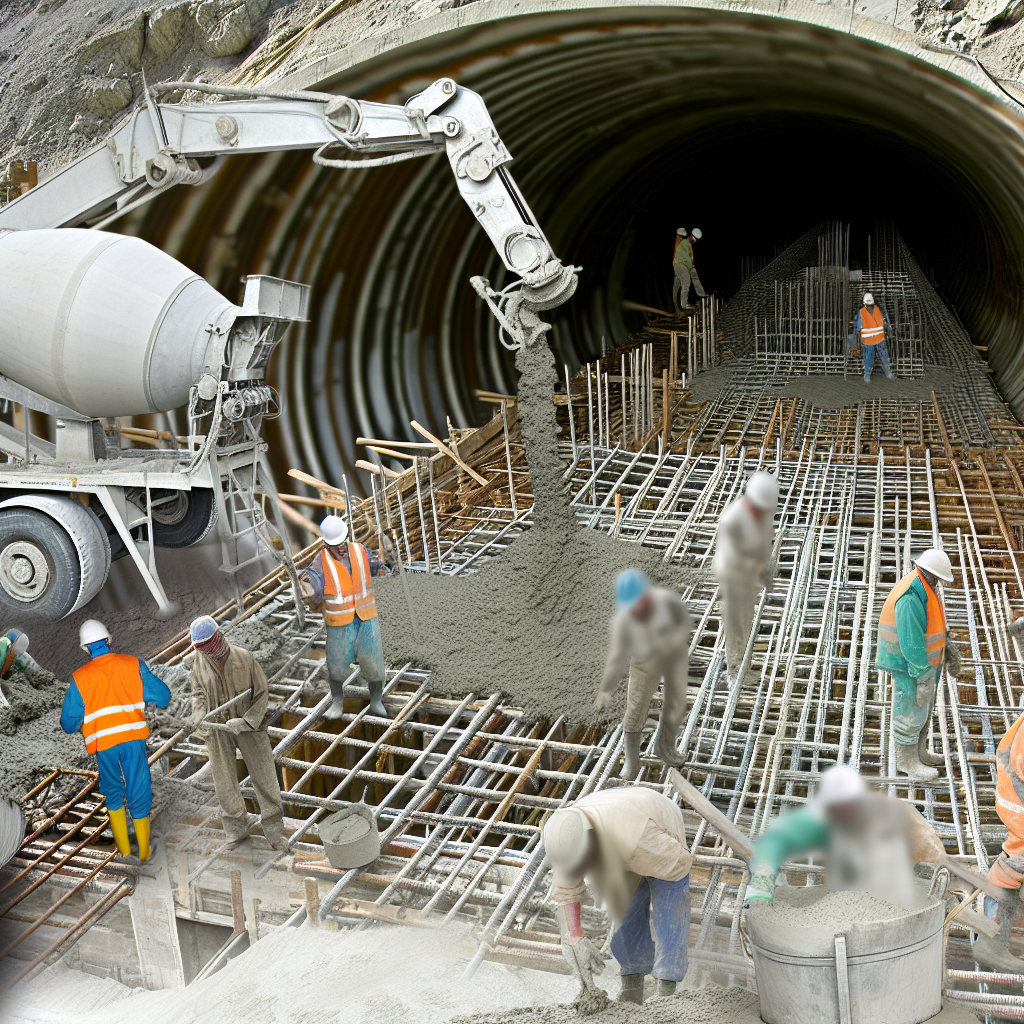
Concrete in Tunnel Construction may sound like a dry engineering topic, but in practice it is as alive as the ground it passes through. A tunnel is a bit like a long, hidden bridge under the earth, and concrete is the backbone that keeps that bridge safe, dry, and strong for decades. Concrete in Tunnel […]

13
Dec
Dec
The Future of Smart Concrete is not just a fancy idea in an engineer’s notebook anymore. It is quickly becoming a real part of cities, roads, homes, and even bridges we use every day. Think of it as concrete that can feel, think, and even heal itself, almost like a living skin wrapped around our […]
13
Dec
Dec
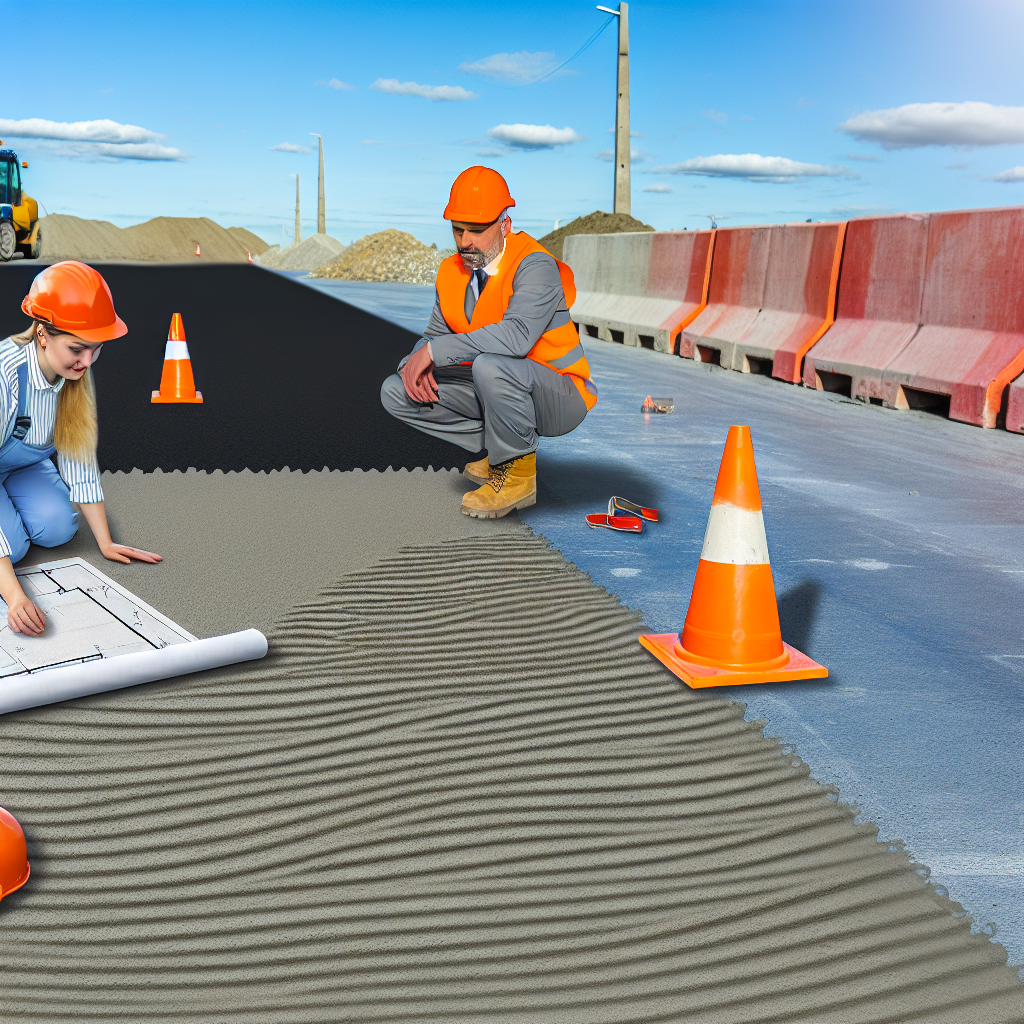
Concrete Pavements: Design and Maintenance Concrete pavements are like the bones of our roads, ports, and industrial yards. When the design is right and the maintenance is smart, they can work for decades with little trouble. When they are rushed or ignored, every crack and joint soon tells the story. In this article, we will […]

12
Dec
Dec
How to Prevent Efflorescence on Concrete Concrete can look as solid and timeless as stone, but a few white stains are enough to spoil the whole picture. Those pale, chalky marks that show up on slabs, walls, and pavers are called efflorescence, and learning how to prevent efflorescence on concrete is one of the smartest […]
12
Dec
Dec
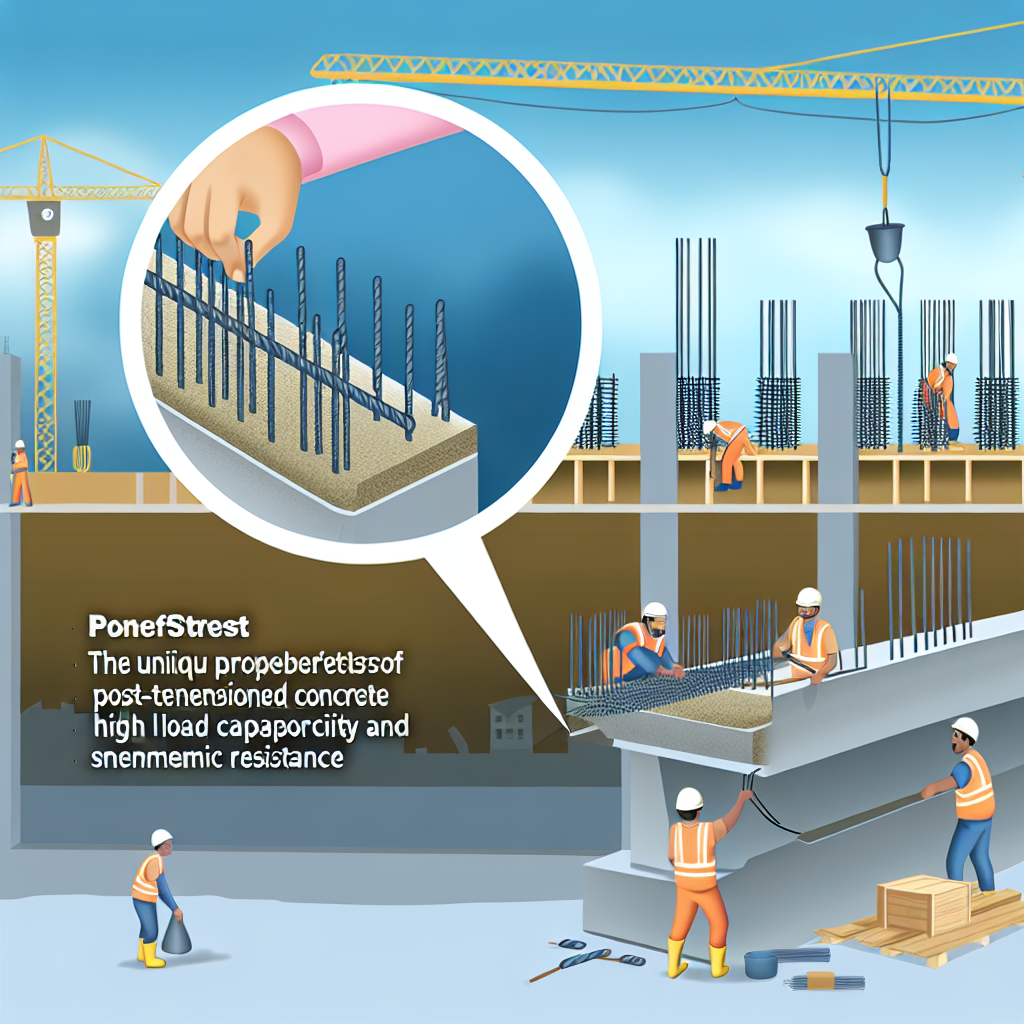
The Benefits of Post-Tensioned Concrete are becoming easier to see on real job sites every year. Bridges, parking garages, and even homes are using this method because it saves money, reduces cracks, and allows designers to be more creative. When you understand how it works, post-tensioning feels a bit like tightening the strings of a […]

12
Dec
Dec
Tips for Leveling Uneven Concrete Floors Uneven concrete can make a room feel like a ship on a rough sea. Chairs wobble, doors scrape, and every step reminds you that something under your feet is not quite right. Learning practical tips for leveling uneven concrete floors helps you turn that rough sea into a calm, […]